The Proliferation of Linked Prize Pools Among Standalone Gaming Platforms
Ulrich Peters · Oct 14, 2026
The Proliferation of Linked Prize Pools Among Standalone Gaming Platforms
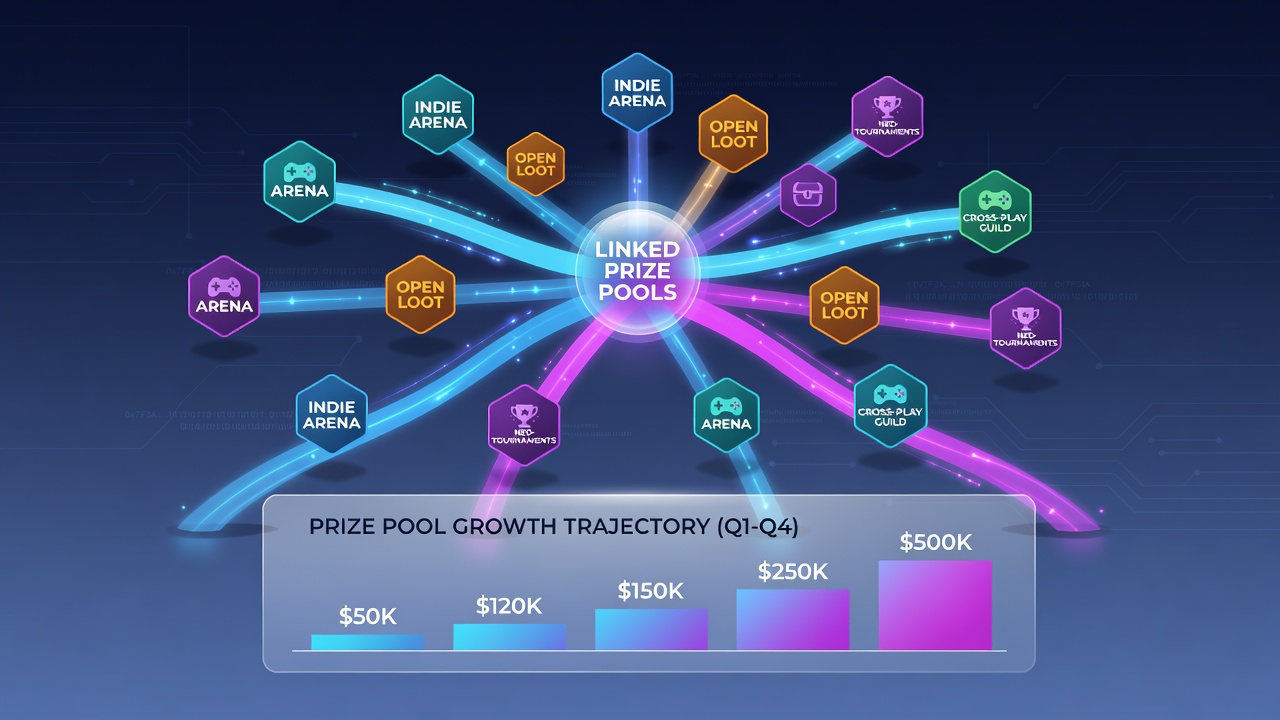
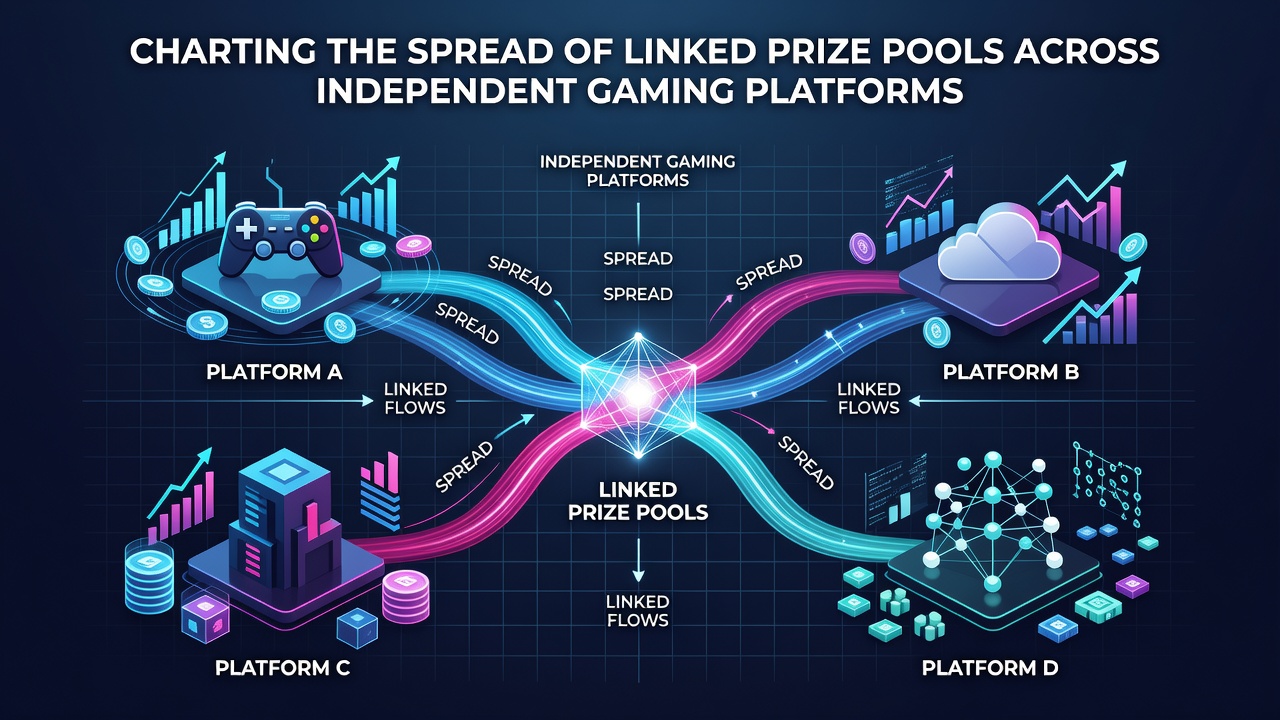
Linked prize pools have moved from niche experiments to widespread systems that tie together separate gaming operators without requiring full platform mergers, and data from industry reports shows steady adoption rates climbing through 2025 into October 2026. Observers note that these pools allow independent sites to contribute to shared jackpots while maintaining their own game libraries and user bases, which creates larger prize values that attract players across borders.
Early Experiments and Technical Foundations
Developers began testing linked systems in the mid-2010s when middleware providers introduced APIs that let separate servers sync jackpot contributions in real time, and those early setups focused on slot titles where random number generators remained isolated yet prize meters updated across networks. Researchers at several European technology institutes documented how these connections reduced individual operator risk by distributing payout liability, while players saw progressive totals that grew faster than any single site could achieve alone.
By 2020 multiple vendors had refined the protocols to handle latency issues, so contributions from Australian operators could feed into the same meter as those from North American platforms without synchronization delays exceeding a few seconds. Figures from the International Gaming Technology Association reveal that the number of cross-operator agreements rose from under 50 in 2019 to more than 300 by late 2025, covering an estimated 1.2 million active player accounts worldwide.
Current Reach Across Regions in 2026
As of October 2026 independent platforms in Canada, Australia, and parts of Latin America continue to sign linkage deals, and regulators in those jurisdictions have issued updated guidelines that require clear disclosure of how contributions flow into shared pools. Data compiled by the Australian Communications and Media Authority indicates that linked prize systems now account for roughly 18 percent of total jackpot payouts reported by licensed operators in that country during the first three quarters of 2026.
One study released by the University of Nevada Gaming Research Center tracked participation among 47 standalone sites and found average jackpot sizes increased by 42 percent after linkage activation compared with the prior six-month period. Those gains occurred even though individual operators retained full control over their marketing, payment processing, and bonus structures.
Operational Models and Revenue Sharing
Most agreements use a contribution percentage model where each participating platform allocates between 1 and 3 percent of wagers on eligible games to the shared meter, and software vendors handle the central clearinghouse that records every increment. Payout triggers remain governed by the same probability curves used on single-site progressives, yet the larger meter means winners receive substantially higher sums when the random event occurs.
Revenue splits after a win typically follow pre-agreed formulas that return a portion of the pool to the winning site while the remainder replenishes the base seed for the next cycle. Industry analysts point out that these formulas have evolved to include performance bonuses for platforms that drive higher contribution volumes, which encourages continued participation without forcing operators to alter their core game offerings.
Regulatory and Compliance Considerations
Authorities outside the United Kingdom have adapted existing remote gambling rules to cover linked pools, and the Nevada Gaming Control Board requires monthly reconciliation reports that separate local versus pooled liabilities. Similar requirements appear in guidelines issued by the Malta Gaming Authority, which mandates independent audits of the central meter software every quarter.
Operators report that compliance costs remain manageable because the linkage technology logs every transaction in immutable ledgers that auditors can review without accessing full player databases. Data from a 2025 white paper published by the Canadian Gaming Association shows audit preparation time averaged 14 hours per quarter across linked operators, compared with 22 hours for non-linked sites handling equivalent jackpot volumes.
Future Trajectory and Platform Diversity
Projections based on current contract pipelines suggest the number of linked pools could exceed 500 separate agreements by the end of 2027, with growing interest from mobile-first operators that previously avoided progressives due to smaller player bases. Technical upgrades now under testing include cross-currency conversion layers that let contributions in euros, Australian dollars, and Canadian dollars feed a single meter displayed in each player’s local currency.
Those who monitor the sector note that diversity of participating platforms continues to widen, ranging from established desktop casinos to newer social-gaming hybrids that incorporate skill-based elements into jackpot eligibility. The result is a broader distribution of prize exposure across market segments that once operated in isolation.
Conclusion
Linked prize pools have established themselves as a practical mechanism for independent operators to offer larger rewards while preserving autonomy, and statistics through October 2026 confirm ongoing expansion across multiple regulatory environments. Continued technical refinements and updated compliance frameworks support further integration without compromising the separation that defines these standalone platforms.